

When people need a nearby service, they often turn to Google before making a decision. They might search for a dentist in their area, a digital marketing agency nearby, or a restaurant in a particular neighbourhood. Businesses that appear in these local search results have a better chance of being discovered by potential customers.
This is where Local SEO becomes important. It helps businesses improve their visibility when people search for products or services in a specific location. A strong local search presence can help bring relevant visitors to a website, generate enquiries, and encourage customers to visit a physical location.
However, local visibility does not depend on adding a city name to every page. It requires accurate business information, useful website content, customer trust, and a consistent online presence.
What Is Local SEO?
Local SEO is the process of improving a business’s online presence so it can appear more prominently in search results for location-based queries. These searches may include a city, neighbourhood, or phrase such as “near me.”
For example, someone searching for “web design company in Lahore” wants to find relevant providers serving that area. Local SEO helps search engines understand which businesses offer the required service and which locations they serve.
Local SEO can involve optimizing a Google Business Profile, improving website pages, collecting genuine customer reviews, maintaining consistent contact information, and earning relevant local links.
It is useful for businesses with physical premises, service-area businesses, and companies that depend on customers from particular locations.
Why Is Local SEO Important for Small Businesses?
Small businesses often compete with established companies that have larger marketing budgets. Local search optimization offers a practical way to reach people who are already looking for relevant services in a specific area.
One benefit is better local visibility. An optimized business profile and relevant website pages can help potential customers discover a business through Google Search and Google Maps.
Local SEO can also attract more relevant traffic. Someone searching for a service in a particular city may be closer to making an enquiry than someone browsing general information. Although visibility does not guarantee a sale, reaching a more relevant audience can create better opportunities.
Trust is another important factor. Accurate opening hours, clear contact details, useful service information, and genuine customer reviews help people assess whether a business meets their needs.
For small businesses, the goal is not simply to receive more website visits. It is to connect with the right local audience and make it easy for interested people to take the next step.

How Does Local SEO Work?
Google uses several signals to determine which local businesses appear for a search. Its guidance identifies three key factors: relevance, distance, and prominence.
Relevance refers to how well a business matches what someone is searching for. A complete business profile and clear website content can help explain the services offered.
Distance relates to how far a business is from the searcher or the location mentioned in the query. A business cannot control where every searcher is located, so it should focus on accurately representing its real location or service area.
Prominence refers to how well-known a business appears to be. Information such as reviews, links, and other signals across the web can contribute to Google’s understanding of a business’s reputation.
Local results can appear in different places. Google Maps and the local results section may show business profiles, while regular organic results often display relevant websites and service pages. A business may appear in one type of result without appearing in another.
These results are related, but they are not identical. A well-maintained Google Business Profile and a useful website can support a broader local search strategy.
How to Improve Local SEO Step by Step
1. Optimize the Google Business Profile
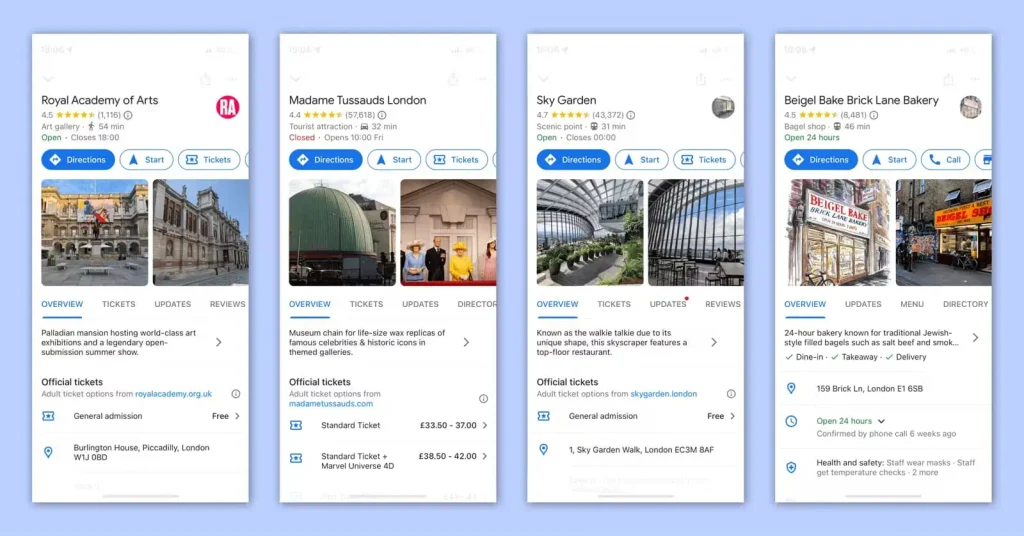
For eligible businesses, a Google Business Profile is an important part of local search visibility. It can display business information such as the name, address, phone number, opening hours, website, photos, and customer reviews.
Start by claiming or verifying the profile where required. Make sure the business name reflects its real-world name, choose the most accurate business category, and provide complete and correct details.
Add relevant services, update opening hours when they change, and upload genuine photos that help customers understand the business. Avoid adding unnecessary keywords to the business name or creating profiles for locations that do not exist.
Businesses that operate from a physical location and service-area businesses may have different profile requirements. Follow Google’s eligibility guidelines rather than assuming every business qualifies for a public address or listing.
2. Research Relevant Local Keywords
Keyword research helps identify the terms potential customers use when looking for services. For local SEO, these may include a service and location, such as “accountant in Islamabad” or “website development in Faisalabad.”
Begin with the main services and the locations the business genuinely serves. Consider related phrases, specific service names, and questions customers may ask before choosing a provider.
Use these terms naturally in suitable page titles, headings, service descriptions, and website copy. Avoid repeating a city name in every sentence simply to make a page appear more relevant.
3. Improve Important Website Pages
A Google Business Profile is not a replacement for a useful website. Service pages should explain what the business offers, who the service is for, and which locations it genuinely serves.
Use descriptive page titles, clear headings, readable content, and accurate contact information. Include location details where they help visitors understand the business’s coverage.
If a company serves several cities, separate location pages may be useful when each page provides genuinely relevant information. Avoid publishing multiple pages that differ only by the city name. Thin, repetitive pages offer little value to readers.
An SEO audit can help uncover technical issues, missing page information, and content gaps.
4. Keep Business Information Consistent
Business details should be accurate wherever customers encounter them online. This includes the business name, address where publicly applicable, phone number, website, and opening hours.
Check important listings, social profiles, directories, and the company website for outdated information. If the business moves or changes its phone number, update the relevant platforms.
Consistency helps customers contact the right business and reduces confusion. It is not necessary to submit a business to every directory available. Focus on reputable platforms and sources relevant to the industry or local area.
5. Encourage Genuine Customer Reviews
Reviews help potential customers understand other people’s experiences. They can also contribute to the prominence signals Google considers when generating local results.
Make it easy for customers to leave honest feedback by sharing an appropriate review link after a completed service or purchase. Businesses should never buy reviews, create fake accounts, or offer incentives in exchange for positive feedback.
Respond to reviews professionally, including negative ones. A useful response acknowledges the customer’s concern and offers a reasonable way to address the issue without sharing private information.
The aim is to build trust through real customer experiences, not to collect the highest possible number of ratings at any cost.
6. Build Relevant Local Links and Citations
Local citations are online mentions of a business’s details, while local links are links from relevant websites to the business’s website. Both can help people discover the business and provide useful context about its presence in the community.
Look for legitimate opportunities, such as local business associations, industry directories, community organizations, relevant partners, or local events. A business that sponsors a genuine community activity may receive a relevant mention on the organizer’s website.
Avoid buying large numbers of low-quality links or submitting the site to unrelated directories. Focus on sources that make sense for the business and could provide real value to potential customers.
7. Publish Helpful Local Content
Useful content can answer questions that matter to customers in the areas a business serves. A property company might explain the steps involved in renting in a particular city, while a service provider could publish a guide to choosing the right service for local needs.
The content should offer genuine information rather than repeat a keyword or city name. It might cover common questions, explain a service, compare available options, or help readers prepare before contacting a provider.
A well-planned SEO content strategy helps organize these topics around customer needs and business goals.
8. Make the Website Mobile-Friendly
Many people search for local businesses using their phones, sometimes while travelling or looking for an immediate solution. A website that loads slowly or makes contact details difficult to find can discourage potential customers.
Make sure pages work well on smaller screens, text remains readable, navigation is simple, and contact buttons are easy to use. Check that forms function correctly and that important service information is not hidden behind confusing menus.
A good mobile experience supports usability and helps visitors move from finding a business to contacting it.
How Long Does Local SEO Take to Show Results?
Local SEO does not follow a fixed timeline. Some improvements, such as correcting business hours or updating an inaccurate phone number, can help customers immediately. Changes in search visibility may take longer to become noticeable.
The timeline depends on factors such as local competition, the website’s current condition, the completeness of business information, the quality of the content, and the business’s existing reputation.
Rather than expecting an instant ranking change, focus on completing the fundamentals and tracking progress consistently. Review the data, identify weak areas, and adjust the strategy as the business develops.
Frequently Asked Questions
Is Local SEO useful for small businesses?
Yes. It can help small businesses become more visible to people searching for relevant services in the locations they serve. Results depend on competition, business relevance, and the quality of the online presence.
Is Google Business Profile free?
Google Business Profile is available at no charge to eligible businesses. Businesses should follow Google’s guidelines when creating and managing a profile.
What is the difference between Local SEO and traditional SEO?
Traditional SEO aims to improve visibility across relevant organic search results. Local SEO focuses more specifically on searches connected to a location or local service need. The two approaches often overlap because both benefit from useful content, a technically sound website, and a clear user experience.
How often should Local SEO be updated?
Business details should be updated whenever they change. Reviews, search performance, website content, and local competitors can be checked regularly. A monthly review is a reasonable starting point for many small businesses, with more frequent checks when changes occur.
Conclusion
Local SEO helps small businesses connect with people searching for relevant services in their area. A complete Google Business Profile, useful website pages, accurate business details, genuine reviews, and relevant local content all contribute to a stronger online presence.
The process is not limited to a one-time setup. Business information needs to stay current, website performance should be reviewed, and content should continue to answer real customer questions. By focusing on accuracy, usefulness, and trust, businesses can build a more reliable foundation for local search visibility and customer enquiries.